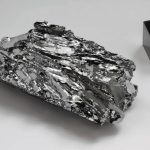
Copper has been one of the most valuable industrial metals for thousands of years, and its importance continues to grow in today’s rapidly developing world. From electrical power grids and transportation systems to renewable energy technologies and smart cities, copper forms the foundation of modern infrastructure.
Its exceptional electrical conductivity, thermal performance, corrosion resistance, and durability make it an irreplaceable material across countless industries. As governments and businesses continue investing in sustainable development and digital transformation, demand for copper is expected to remain strong for decades to come.

The Importance of Copper
Copper is a naturally occurring metal recognized for its outstanding physical and chemical properties. It is highly conductive, easy to process, recyclable, and resistant to corrosion, making it one of the most versatile materials used in engineering and industrial manufacturing.
Unlike many alternative materials, copper offers an ideal balance between performance, durability, and sustainability.
These characteristics have made copper indispensable for building the infrastructure that powers modern society.
Power Generation and Electrical Networks
One of copper’s most important applications is in electrical infrastructure.
Thanks to its superior electrical conductivity, copper is widely used in:
- Power transmission lines
- Electrical substations
- Distribution networks
- Transformers
- Switchgear
- Electrical wiring
- Industrial control systems
As electricity demand continues to increase worldwide, reliable copper supply remains essential for expanding and modernizing national power grids.
Construction and Urban Development
Copper has become a standard material in modern construction projects due to its durability and long service life.
It is commonly found in:
- Residential buildings
- Commercial developments
- Hospitals
- Airports
- Industrial facilities
- Public infrastructure
Applications include:
- Electrical installations
- Plumbing systems
- Heating equipment
- Roofing
- Ventilation systems
- Fire protection equipment
Because copper naturally resists corrosion, it provides long-lasting performance with minimal maintenance requirements.
Renewable Energy Infrastructure
The global transition toward clean energy has significantly increased demand for copper.
Renewable energy systems require large quantities of copper due to its conductivity and reliability.
Copper plays an essential role in:
- Solar power plants
- Wind turbines
- Battery energy storage
- Electric vehicle charging stations
- Smart electrical grids
According to many industry analyses, renewable energy technologies require substantially more copper than conventional energy systems, making it one of the world’s most strategically important industrial metals.
Electric Vehicles
Electric vehicles contain significantly more copper than conventional gasoline-powered vehicles.
Copper is used throughout:
- Electric motors
- Battery systems
- Charging infrastructure
- High-voltage cables
- Electronic control units
- Cooling systems
As electric mobility expands globally, copper demand is expected to increase steadily across the automotive industry.
Telecommunications and Digital Infrastructure
Modern communication networks depend heavily on copper.
Applications include:
- Telecommunications equipment
- Internet infrastructure
- Data centers
- Network hardware
- Electronic devices
- Industrial automation
Although fiber optics continues to expand, copper remains an essential material in network infrastructure and electronic equipment worldwide.
Transportation Infrastructure
Copper contributes to safer and more efficient transportation systems.
It is widely used in:
- Railway systems
- Airports
- Marine transportation
- Automotive manufacturing
- Heavy equipment
- Public transportation
Its excellent conductivity and durability support reliable operation under demanding conditions.
Industrial Manufacturing
Manufacturing industries rely on copper to produce equipment capable of operating efficiently for many years.
Copper is found in:
- Industrial machinery
- Pumps
- Compressors
- Electric motors
- Heat exchangers
- Production equipment
Its resistance to corrosion and excellent thermal conductivity improve both performance and operational efficiency.
Why Copper Is Considered a Strategic Metal
Governments and manufacturers increasingly recognize copper as a strategic resource because modern economies depend upon reliable access to it.
Copper supports:
- Energy security
- Infrastructure development
- Industrial production
- Digital transformation
- Transportation
- Sustainable technologies
Without copper, many of today’s technological advancements would not be possible.
Sustainability and Recyclability
One of copper’s greatest advantages is its recyclability.
Copper can be recycled repeatedly without losing its physical or chemical properties.
This provides significant environmental benefits by:
- Conserving natural resources
- Reducing energy consumption
- Lowering greenhouse gas emissions
- Supporting circular economy initiatives
The ability to reuse copper makes it one of the most sustainable industrial materials available today.
Kazakhstan’s Role in Copper Supply
Kazakhstan has long been recognized as one of the world’s important mining countries, with abundant copper resources and a well-developed mining industry.
Its strategic geographic position between Europe and Asia, combined with expanding transportation corridors, allows efficient export of mineral resources to international markets.
These advantages make Kazakhstan an attractive sourcing destination for manufacturers, traders, and industrial consumers seeking reliable copper ore supply.
Choosing a Reliable Copper Ore Supplier
Selecting the right supplier is essential for maintaining production efficiency and minimizing supply chain risks.
Industrial buyers typically evaluate suppliers based on:
- Consistent product quality
- Responsible mining practices
- Reliable production capacity
- Export experience
- Quality assurance procedures
- Technical documentation
- Long-term supply capability
Reliable partnerships help manufacturers secure stable raw material availability while improving operational planning.
SRNB’s Commitment to Reliable Copper Supply
At SRNB Mining, we are committed to supplying copper ore through responsible mining practices, professional quality assurance, and dependable export logistics.
Our integrated approach focuses on:
- Reliable sourcing
- Consistent quality
- Transparent communication
- Customer-focused service
- Flexible commercial cooperation
- Long-term partnerships
By combining Kazakhstan’s rich mineral resources with efficient international logistics, SRNB supports customers seeking dependable copper ore solutions for industrial applications worldwide.
Copper remains one of the world’s most important industrial metals because it supports nearly every aspect of modern infrastructure.
From electrical power and transportation to renewable energy and advanced manufacturing, copper enables the technologies that drive economic development and improve everyday life.
As global investment in sustainable infrastructure continues to expand, demand for reliable copper supply will remain strong. Companies that prioritize quality, responsible sourcing, and long-term partnerships will continue playing a vital role in meeting the needs of industries around the world.
SRNB Mining is proud to contribute to this global supply chain by providing dependable copper ore solutions backed by professional service, quality assurance, and a commitment to building lasting business relationships.